

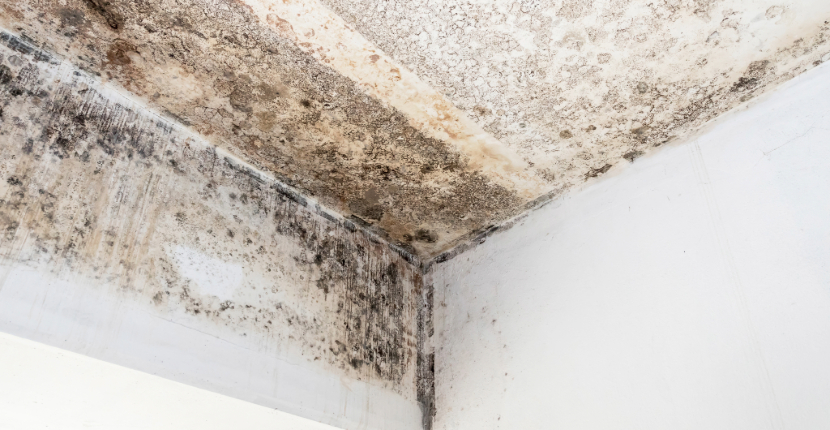
Flooding and ongoing moisture problems are among the most common triggers for serious mould outbreaks in Sydney homes. Whether it’s a sudden storm event, a slow leak that’s gone unnoticed for months, or rising damp in older properties, excess moisture creates the perfect environment for mould to take hold and spread rapidly. Understanding why this happens, and what’s involved in proper mould remediation in Sydney, can help homeowners respond effectively and protect their families from long-term health risks.
Why Flooding Leads to Rapid Mould Growth
When floodwater enters a home, it doesn’t just affect visible surfaces. Water seeps into walls, flooring, carpets, and even structural timber, creating hidden pockets of moisture that can persist for weeks if not properly addressed. Mould spores, which are present in almost every environment, only need moisture and organic material to begin multiplying. In ideal conditions, visible mould colonies can form within 24 to 48 hours of water exposure.
Sydney’s humid climate compounds this issue, as the air itself often carries enough moisture to sustain mould growth even after surface water has dried. This is why homes affected by flooding frequently experience mould problems weeks or months after the initial event, particularly in areas with poor ventilation such as subfloors, wall cavities, and roof spaces.
The Hidden Dangers of Long-Term Moisture
Not all mould problems stem from dramatic flooding events. Long-term moisture issues, such as leaking pipes, poor drainage, condensation, or inadequate ventilation in bathrooms and laundries, can lead to slow, persistent mould growth that often goes unnoticed until it becomes extensive. These chronic moisture problems are particularly concerning because they allow mould colonies to establish themselves deep within building materials, making removal more complex.
Prolonged exposure to mould in these situations has been linked to ongoing respiratory issues, worsening allergies, and skin irritation, particularly for children, the elderly, and those with pre-existing health conditions. Unlike a one-off flooding incident, chronic moisture problems require both remediation and a long-term solution to prevent recurrence.
What Professional Mould Remediation Involves
Effective mould remediation in Sydney goes well beyond simply wiping down visible mould patches. The process typically begins with a comprehensive inspection using moisture meters and, in some cases, thermal imaging to identify both visible mould and hidden moisture sources behind walls or under flooring.
Once the scope of the problem is understood, affected areas are contained to prevent spores from spreading to unaffected parts of the home during the cleaning process. Technicians then use specialised antimicrobial treatments and, where necessary, remove and replace severely affected materials such as plasterboard, insulation, or carpet underlay that cannot be adequately cleaned.
A critical part of remediation involves addressing the root cause of the moisture. Without resolving issues like poor ventilation, damaged guttering, or plumbing leaks, mould is likely to return even after a thorough clean-up.
Post-Flood Considerations for Homeowners
After a flooding event, it’s important not to assume that visible drying means the problem is resolved. Moisture can remain trapped within walls and subfloors long after surfaces appear dry, making professional assessment essential. Acting quickly, ideally within the first 24 to 48 hours, significantly reduces the risk of extensive mould colonisation.
For homes with ongoing moisture concerns, regular inspections can help catch problems early, before they develop into widespread infestations requiring extensive remediation work.
Protecting Your Family’s Health Long-Term
Mould resulting from flooding or chronic moisture isn’t just a property issue, it’s a genuine health concern for everyone living in the home. Engaging professionals for mould remediation in Sydney ensures that both the visible mould and its underlying cause are properly addressed, reducing the risk of recurrence and protecting your family’s wellbeing for years to come.
Taking prompt, professional action after flooding or when persistent dampness is identified is the most effective way to safeguard your home’s air quality and your family’s health.
A water damage specialist in Sydney provides fast, professional response to leaks, floods, and burst pipes. Using advanced extraction and drying equipment, specialists prevent mould growth and structural damage while restoring your property efficiently. Don’t risk DIY methods, rely on trained experts to protect your home and minimise long-term costs.